
Facebook
Mastering OS Updates: A Step-by-Step Guide for Windows & Mac

Mastering OS Updates: A Step-by-Step Guide for Windows & Mac

We rely on our devices and software everyday for practically everything. From staying in touch with family and friends to managing business operations, our lives revolve around technology. Unfortunately, this convenience also comes with risks, as cybercriminals are always looking for ways to exploit weaknesses in our software and devices. But there is a simple precaution to minimise these threats – regular updates. In this article, we will discuss why updating your device and software is crucial and how you can do so on both Windows and Apple devices.

Why Updating Matters

Imagine leaving your door unlocked – that’s what outdated software is like for your device, inviting cyber intruders. They exploit these gaps to steal your data or seize control. By updating, you equip your device with the latest armour – security patches, bug fixes, and speed boosts – defending against potential cyber dangers.

Updating Windows Devices

To update your Windows device, click:

If you want to install the update now, select Start  > Settings  > date & Security  > Windows Update , and then select Check for updates. If updates are available, install them.If updates are available, you can choose to install them.
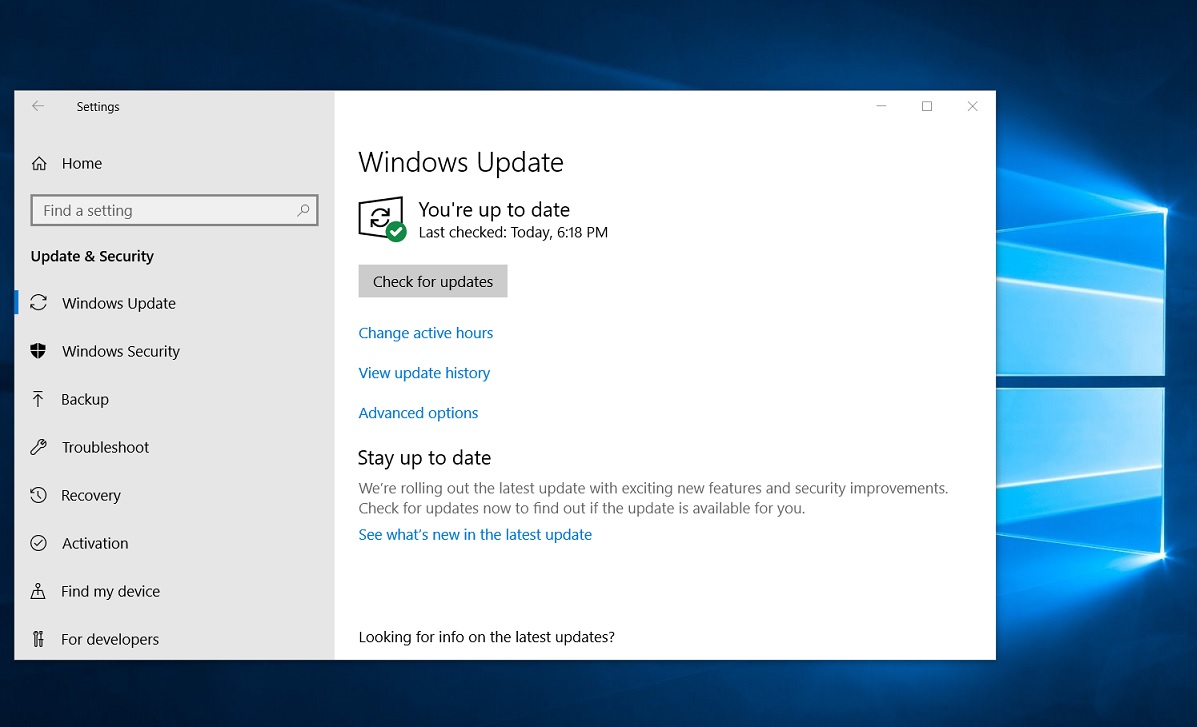
Check for Windows Updates

Updating Apple Devices

For Apple devices, it’s equally easy. Visit Settings > General > Software Update. When an update is available, hit “Download and Install.” Turn on “Automatic Updates” to receive future armour without lifting a finger.
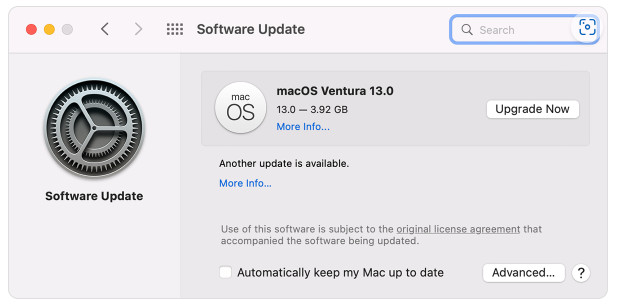
Updating Mac OS

Safekeeping Business Devices

In the business realm, there a number of proactive measures that can be taken to armour your devices and prevent cyber assaults. Schedule and automate updates to ensure consistency and minimise risk. Deploy up-to-date antivirus software and train your team to spot and report suspicious activity for added protection.

In a Nutshell

Keeping your device and software up to date is paramount in today’s tech-driven world. Regular updates are your virtual shield, fending off cyber threats and preserving your data’s sanctity. Whether Windows or Apple is your weapon of choice, automated updates make it so easy to stay secure. With our user-friendly guide, staying ahead in the cybersecurity game is simpler than you think.

Like this post?
If you liked this post, sign up to our newsletter to keep informed on other news.


Questions? Reach Out to Us Here & We’ll Call You

  • This field is for validation purposes and should be left unchanged.
  • Stay up-to-date with our latest news, promotions, and tech advice from KeyTech through our monthly email.

7 Must-Know Reasons Why Your Business Needs to Backup Microsoft 365 Data

7 Must-Know Reasons Why Your Business Needs to Backup Microsoft 365 Data

In today’s fast-paced digital world, your business data is the lifeblood of your business. Microsoft 365 (M365) is a powerful platform that provides a centralised location to store, manage and access this data, but relying solely on its built-in data protection features is not enough.

When it comes to data backup, many businesses make the mistake of assuming that Microsoft 365’s built-in data protection features are enough. However, relying solely on these features is not enough. Microsoft 365’s data protection is designed to provide basic protection against accidental deletion or corruption, but it does not provide comprehensive protection against all types of data loss scenarios. This is why it’s critical to have a robust backup strategy in place, one that covers all your bases and provides you with peace of mind.

Next, we explore 7 critical reasons why your business can’t afford to ignore Microsoft 365 data backup.

Data loss

Protection Against Data Loss

Backing up data your data is the best way to protect against accidental deletion, corruption or loss due to unforeseen events like software failures, hardware crashes or cyberattacks.

Regulations and Compliance

To Meet Regulatory Compliance and Standards

Certain industries have strict regulations that require businesses to maintain copies of their data. Businesses should backup data to ensure they meet their regulatory requirements, avoid legal or financial penalties and protect their reputation.

business Continuity

Securing Business Continuity

Disasters, outages, and cyberattacks can disrupt business operations, but having a robust backup plan in place can help organisations recover quickly and keep the business running, minimising downtime, and reducing the impact on the organisation and its customers.

Facilitating Data Recovery

Facilitating Data Recovery

In the event of data loss, having a backup allows organisations to quickly recover and restore their data much faster and more efficiently than recreating it from scratch. Being able to restore data reduces downtime and minimises business disruptions.

Saving Time

Saving Time and Money

Restoring data from a backup is typically faster and less expensive than recreating it from scratch. Additionally, by having a reliable backup system in place, businesses can avoid the costly expenses associated with paying a ransom to hackers in the event of a cyber-attack. This saves money and eliminates the need to negotiate with perpetrators and the risk of permanent data loss, which can be a lengthy and stressful process.

Peace of Mind

Providing Peace of Mind

Knowing that data is backed up gives organisations peace of mind, reducing the stress and anxiety associated with the possibility of data loss.

Enhancing Productivity

Enhancing Productivity

Implementing a reliable backup and recovery plan allows organisations to focus on their core business activities, rather than worrying about data loss. This can enhance productivity, improve efficiency and drive growth.

In conclusion, backing up your Microsoft 365 data and tenancy is a crucial aspect of protecting your business from data loss. From preventing data loss and meeting compliance requirements to enhancing productivity and providing peace of mind, a robust backup strategy is essential for any modern business. Don’t wait until it’s too late – take action today to ensure that your business is protected from data loss.

Like this post?

If you liked this post, sign up to our newsletter to keep informed on other news.

How to Protect Your Data in the Cloud

How to Protect Your Data in the Cloud

Before the pandemic, many businesses took measured steps to transition to cloud technology. The global pandemic forced many companies to make rapid changes to allow their employees to work from home. Although there were security implications associated with such drastic measures, it has resulted in massive gains in cybersecurity.

The cloud has revolutionised the way businesses store and manage data. Thanks to major vendors investing in top-tier security measures, businesses of all sizes can rely on a high level of protection for their confidential information, along with regular updates as more features are added daily.

Despite the advances in cybersecurity technology, businesses still experience security breaches. Often, these breaches can be avoided when the right policies and configurations are in place.

To ensure your business is adequately protected without breaking the bank, let’s look at a few simple yet effective measures that are included with Microsoft 365.

Microsoft 365

Use Microsoft 365 Business Premium

All Microsoft 365 plans include security features, but Premium provides far more features specifically designed for business environments.

Use Multi-Factor Authentication (MFA)

When every user is authenticated correctly, the risk of security breaches drastically decreases. Furthermore, this powerful security feature can be executed speedily, taking a few minutes per account.

The two most secure MFA methods include the Security key method (which involves using a separate security key that you can insert into a PC or mobile device to authenticate the login) and the use of an authentication app. If you use voice and SMS-based MFA please do so with caution. SMS and Voice MFA do not use encryption, making it easy for hackers to intercept them.

Data Security in the cloud

Admin Account Protection

No user should have admin rights on their primary account because even admins can make mistakes when checking email or casually browsing. Users should only have the access they need for the time they need it. Implement a limited access policy to cut the chances of any violations.

Disable Anonymous Sharing

Anonymous sharing is enabled by default, allowing you to share documents with anyone. Meaning, a document could accidentally get sent to the wrong person. By disabling this feature, you will have more control over where your business data is shared.

SharePoint

Monitor SharePoint for Changes and Access Events

SharePoint is a practical way to keep your team informed. You can receive alerts for suspicious activity and notifications when someone deletes more than five files or copies a large amount of data. This can help prevent data loss accidents as well as malicious acts.

Implement Device Policies and Management

Your workforce may use various devices to carry out tasks. Each device is a potential path into your protected environment, so it is essential to have strong policies in place. You can create policies that require complex passwords and insist that Windows updates are performed promptly. Endpoints are now the most prominent threat, so use the free device protection in your Microsoft Business Premium subscription to boost security.

Block Client Forwarding Rules

Enabling email forwarding might breach your workplace policies and also put your business at risk. Suppose a hacker managed to gain access to an account, they could forward emails to an address of their choice, allowing them access to leak sensitive business information and wreak havoc.

The importance of online data security

Data Loss Prevention (DLP) Policies

In Microsoft 365 Business Premium, you can designate rules around your data, such as restricting certain document types from being emailed. You can use these rules to prevent sensitive information, such as credit cards, Medicare, and licence numbers, from being emailed, cutting a critical risk. If your business must share sensitive data, we recommend uploading documents to a secure file storage platform such as OneDrive or Google Drive and then generating a secure link to share with relevant individuals/teams.

Improve Your Microsoft Secure Score

Microsoft 365 includes a handy tool that evaluates your security posture and provides a score based on system configurations, user behaviour, and other measurements. In addition, the tool offers you a prioritised list of recommendations to support you in raising your security level.

Backup Your Cloud Data

A common misconception is that someone, somewhere, is backing everything up for you in the cloud, but that isn’t entirely true. Understand what your data loss acceptance level looks like and find a data backup solution you are satisfied with.

The best online data security protection is prevention through training

Training

Regarding cybersecurity, it is no surprise that human error is the most common cause of security breaches. Regardless of all the possible precautions you take to minimise the risk of cybercrime, all it can take is a link click, download, missed update or misconfiguration to lead to a big problem.

The best way to avoid human error is to enforce cyber security guidelines and provide online and in-person training and testing.

Testing should include a targeted phishing campaign to see who clicks – this can help you to identify who requires training.

As part of any cyber security audit, we look at physical security; you’d be surprised how many people still put their password on a post-it note by their monitor and how many visitors are left unsupervised around sensitive information!

Most of the actions in this post require little or no help to set up and will immediately reduce your risk of a breach. While it is worth investing in a cyber security review and the assistance of a data security specialist, there is plenty that you can do yourself to become less of a target to hackers.

Please don’t hesitate to reach out if you have any questions about data protection.

Contact Us

  • This field is for validation purposes and should be left unchanged.

Protecting Your Website from Cyberattacks

Protecting Your Website from Cyberattacks

It is more important than ever before to protect your website from cyberattacks. In today’s digital age, website security is a pressing concern for all businesses, large and small. A cyberattack against a public-facing website can have major repercussions, including loss of data, website downtime, denial of service (DoS), and damage to the company’s reputation. Fortunately, there are steps you can take to protect your website from these threats and avoid serious consequences.

While these threats affect all aspects of information security—confidentiality, integrity, and availability—they can also gravely damage the reputation of a website and its owner. For example, organisations and personal websites that fall victim to defacement, DoS, or data breaches may experience financial loss due to the loss of trust from stakeholders of the business and a decrease in website traffic.

Types of Website Security Threats

There are many different types of website security threats, but some of the most common include:

SQL injection:

SQL injection is where malicious code is injected into a website’s database. A SQL attack can steal sensitive data or take control of the affected website.

Cross-site scripting (XSS):

XSS attacks occur when an attacker injects malicious code into a webpage which is then executed by the browser when the page is loaded. An XSS attack can steal sensitive data or hijack user sessions.

Denial-of-service (DoS):

DoS attacks are designed to make a website unavailable to users by flooding it with traffic from multiple sources. This type of attack can be used to take down a website or disrupt business operations.

Phishing:

Phishing attacks are a type of social engineering attack where an attacker attempts to trick a user into divulging sensitive information such as login credentials or financial information. Phishing attacks can be conducted via email, text messages, or fake websites that mimic legitimate ones.

How to Protect Your Website from Cyberattacks

There are many steps you can take to protect your website from cyberattacks, including:

Implementing strong authentication methods:

Using strong authentication methods such as two-factor authentication can help protect against password theft and phishing attacks. Two-factor authentication requires users to provide two pieces of evidence when logging in, such as a password and a one-time code that is sent to their mobile phone.

Keeping software up-to-date:

Attackers often exploit software vulnerabilities to gain access to websites and databases. You can reduce the chance of an attacker finding vulnerabilities by keeping a website’s components up-to-date.

Restricting access to sensitive data:

Store sensitive data in an encrypted format and restrict access to authorised users only. Restricting access to sensitive data will help you reduce the risk of data breaches.

Website security is important to consider for anyone with a website. There are many safeguards that can be taken to protect a website from cyberattack, but it’s important to remember that no system is 100% secure. With cyber criminals learning how to get around the new security patches, and developing new methods to attack, it is critical that we all monitor and update our websites regularly.
Chat with KeyTech today so we can answer your website security enquiries and include website security improvements with their website maintenance services.

Like this post?

If you liked this post, sign up to our newsletter to keep informed on other news.

Request a Call Back

  • This field is for validation purposes and should be left unchanged.
  • Stay up-to-date with our latest news, promotions, and tech advice from KeyTech through our monthly email.
Protect your Data & Business with Managed IT

Protect your Data & Business with Managed IT

Technology has revolutionised the business world, and there’s no turning back. Now more than ever, businesses of all sizes need to stay competitive. They also must ensure their data remains secure. In order to be competitive and prevent data breaches, businesses of all sizes need to keep up with the latest tech trends. But that’s sometimes more challenging than it sounds. Implementing and managing technologies is a full-time job — one that requires a specific set of skills and knowledge. That’s where IT management comes in.

IT management is the process of planning, organising, and controlling the resources needed to run an organisation’s IT infrastructure optimally. This includes everything from hardware and software to networks, data storage and cyber security. Essentially, IT management is responsible for keeping an organisation’s IT infrastructure operating smoothly and efficiently.

There are many reasons why every business needs IT management. Here are just a few:

To Enhance Data Security

To Stay Current with the latest Tech Trends

To Optimise Efficiency and Productivity

Provide Cost Optimisation Strategies

Enhance customer satisfaction

Enhance Data Security

Recent events such as the Optus Data breach have proven that data security is critical to protecting your company and client data. With hackers becoming more sophisticated every day, it’s now extremely important for companies to have stringent security measures to protect their data and systems from attack. IT management can help develop data security policies to lock down data and user access. IT management can configure security software and implement security protocols such as firewalls, intrusion detection systems, and encryption technologies.

Stay up-to-date with the latest technology trends

One of the most important roles of IT management is to keep an organisation up-to-date with the latest technology trends. Keeping up to date with everything from researching new technologies to implementing them in a manner that will benefit an organisation the most. Staying up-to-date with the latest technology trends allows them to remain competitive in their respective industries. Furthermore, IT management enables businesses to take advantage of opportunities that they might otherwise miss out on if they were using outdated technology.

Optimise efficiency and productivity

Another key role of IT management is to optimise efficiency and productivity within an organisation. Businesses can be optimising efficiency in many ways, such as streamlining processes, automating tasks, and improving communication channels. By optimising efficiency and productivity, companies can get more work done in less time, which can profoundly impact their bottom line.

Cost Optimisation Strategies

IT management can provide companies with strategies to consolidate disparate systems into a single platform or migrate to a more cost-effective infrastructure solution. IT management can negotiate better deals with vendors and suppliers.

Enhance customer satisfaction

Finally, IT management can help companies focus on serving their customers and less on the technology issues that arise due to a lack of support or under-maintained equipment. IT management can help enhance your customer satisfaction by providing self-service options and automation. These services may help many customers to resolve issues independently without a customer service representative. Enhancing customer satisfaction levels result in retaining customers and business growth.

As you can see, there are many reasons why every business needs IT management services to stay competitive in today’s marketplace. If you’re unsure where to start when implementing or managing technologies within your organisation, contact Key Technologies for a chat to discuss your IT needs. We would be more than happy to assist you!

Like this post?

If you liked this post, sign up to our newsletter to keep informed on other news.

Get More out of your Technology with Managed IT Services

Get More out of your Technology with Managed IT Services

Small businesses with limited resources find it easier to manage when they outsource specific tasks. Not every business is able to employ an in-house team to manage its IT infrastructure. An internal professional can be costly and an IT team can still have limitations. That is where managed IT services come in. Managed IT service providers offer comprehensive solutions that allow businesses to focus on their core competencies while leaving the management of their IT infrastructure to specialists. By outsourcing your IT needs, you will gain access to experienced professionals who will keep your systems running smoothly so you can concentrate on what you do best – running your business!

In a recent case study, a company of more than one hundred staff in five locations approached us because their internal IT person was leaving. We discussed the value a managed service can offer, and how it compares to simply replacing the departing staff member. The following considerations were discussed:

Cost savings: A managed service can be more cost-effective than hiring a new employee, especially if you factor in the costs of recruiting, training, and onboarding.

}

Increased efficiency: With a dedicated team managing your IT infrastructure, you can expect increased efficiency and fewer disruptions to your business operations.

Expertise: Managed service providers have expertise in IT systems and can provide solutions that meet your specific needs. A managed service provider will have specialists in critical areas such as cloud, security, databases, automation, and networking.

Monthly Reporting: As part of the service, most managed service providers provide clients with a monthly report. Their specialised tools allow them to analyse your systems and provide powerful insights into your business, buffered by friendly service offerings which vary according to the client’s needs.

Automation: Small and mid-sized companies often do not have the systems in place to take advantage of automation opportunities. Key Technologies’ IT audit and reports can help you identify and implement strategic automation to allow your staff to concentrate on other tasks that can grow your business.

.

Scalability: Your needs may change over time – a managed service will help your business to scale up or down depending on your requirements.

24/7 support: Managed service providers offer round-the-clock support so you can rest assured that issues will be dealt with promptly.

Peace of mind: By outsourcing your IT management to an experienced team, you can relax knowing that everything is securely and professionally managed.